Marriage pujas (विवाह)
The rituals families keep for this occasion, and the order they are usually kept in.
3 pujas cover almost every booking for this occasion. Which ones you keep depends on your family's custom.
- Vivah विवाह — the marriage rite, from the mandap puja to the saptapadi
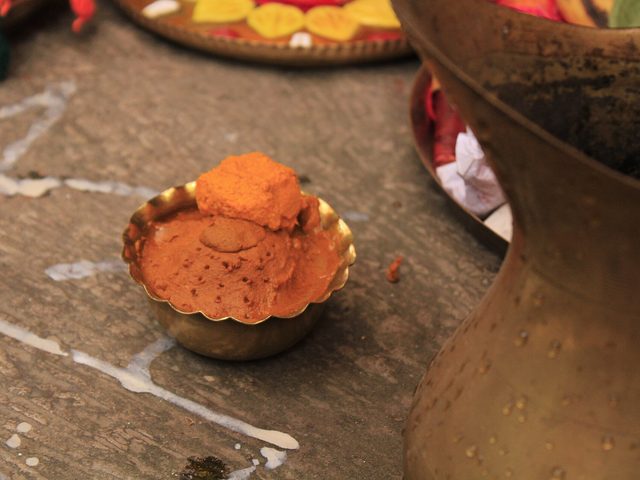
- Haldi Kumkum हल्दी कुमकुम — the pre-wedding haldi rite kept with the women of both families
- Satyanarayan Katha सत्यनारायण कथा — the katha of Bhagwan Satyanarayan, traditionally read to give thanks
What marriage asks of a family
A wedding's rites run over days, and the pandit's part of them is smaller than most families expect. The haldi belongs to the women of both households; the pandit's work is the mandap puja, the kanyadaan, the laja homa into the fire and the saptapadi — the seven steps, at which the marriage is complete in the tradition.
What varies is the order of the days, and it varies by region rather than by taste. Mithila's sequence is not Bhojpur's and neither is a Bengali household's, so the single most useful thing to say at a booking is which tradition your family keeps. A pandit will otherwise work to the local default, which is right for the town and not necessarily for you.
The muhurat is the constraint everything else moves around, and the ones the tradition favours often fall late at night. The date itself is calculated for the couple; in Mithila it is agreed only after the Panji genealogical registers have been consulted, which is a step before the booking rather than part of it.